
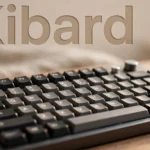







Kibard is usually a misspelling of the word keyboard — not a dictionary word, not a device, and not a brand. If you typed kibard into a search box, you meant keyboard.
Some online guides describe kibard as an AI keyboard app, and a few pages give it far stranger meanings. This article sorts out which of those claims hold up, explains why people type the word, and then gives you a practical guide to keyboards: what they are, the main types, and how to choose one.
What Does Kibard Mean?
In most cases, kibard means keyboard. The word looks unusual and rarely appears in formal writing, yet it shows up again and again in search boxes, comments and blog posts.
Kibard Is Not a Dictionary Word
No dictionary entry for kibard was found: a search of Merriam-Webster returns only near-misses such as kibar, kibitzer and kibosh. The word has no formal definition, no grammar rules and no official usage standards — what it has instead is a clear and consistent pattern of use, and that pattern points straight at keyboard.
The Different Senses of Kibard
The word is used in a few different ways online, and they are not equal. This table puts them side by side.
| Sense | What it usually means | What to do |
|---|---|---|
| Keyboard misspelling | The standard computer keyboard | Read it as keyboard |
| AI keyboard app | A smart keyboard app described in online guides | Check features and privacy; verify the listing first |
| Surname or brand | A family name or product name | Check the context |
| Invented meanings | Made-up definitions on some pages | Treat with caution — no evidence behind them |
The second sense needs a warning. Some guides describe kibard as an AI keyboard app for mobile phones — but they give no developer name, no version and no link to a specific app listing, and a search of the Google Play store found no app named kibard at all. Treat it as a claim from online guides, not an established product, and check the listing and privacy policy before installing any third-party keyboard. The other meanings floating around — an ancient blade-forging craft, a cybersecurity threat, a slang persona, a design philosophy — have no evidence behind them.
Why People Type Kibard Instead of Keyboard
People type kibard for four ordinary reasons. The first is fast typing: when speed matters, fingers skip letters and muscle memory takes over. The second is phonetic spelling — writing the word the way it sounds, which is common for people who speak English as a second language. The third is voice-to-text, where accents and background noise turn keyboard into something close but not quite right. The fourth is the small mobile keyboard, where compact keys and quick thumbs make missed letters routine.
Search engines have learned the pattern, so a search for the misspelling usually shows keyboard results anyway.
Why the Typo Matters
A typo is a signal of real behaviour, not of ignorance. That said, it still does not belong in formal writing: in an email, a report or a job application, the correct spelling is keyboard, every time.
What Is a Keyboard?
A keyboard is an input device used to type letters, numbers, symbols and commands into a computer, phone or tablet. Each key sends a signal that the device turns into a character or an action — the tool behind almost everything typed on a screen. That is what the word kibard points to, almost every time.
How a Keyboard Works in Plain Words
Press a key, and a switch underneath it completes a circuit. The keyboard sends a signal to the device, and the character appears on screen.
A Short History, Honestly Told
Keyboards grew out of typewriters and became the standard way of putting words into a computer. The pages that write about this word give no sourced dates or names for a first keyboard, and inventing one here would only add another unverified claim.
Main Types of Keyboards
The differences between types are practical, not technical:
| Type | Best for | What to know |
|---|---|---|
| Membrane | Office and home use | Soft, quiet keys; affordable; the most common type |
| Mechanical | Gaming and heavy typing | Individual switches under each key; firm and clicky; durable |
| Laptop / built-in | Working on the move | Built into the machine; compact; cannot be swapped easily |
| Ergonomic | Comfort and long sessions | Split design and wrist support; reduces strain |
Wireless keyboards deserve a mention too: they connect by Bluetooth or a small USB receiver and need batteries or charging. Whatever the type, most keyboards share the same layout and the same basic job.
Keyboard Layouts and Switches in Plain Words
QWERTY is the standard layout most readers will meet — the name comes from the first six letters on the top row of letter keys. A switch is the mechanism under each key. Membrane keyboards use pressure pads, which is why they feel soft and quiet; mechanical keyboards use an individual switch under every key, which is why they feel firm and clicky. Kibard or keyboard, the layout is the same — and that difference in feel is the whole story.
How to Choose the Right Keyboard
Start with what you mainly do, not with the fanciest model. This table matches the use to the type.
| If you mainly… | Choose | Why |
|---|---|---|
| Work in an office | Membrane | Quiet, affordable, comfortable for long typing |
| Play games | Mechanical gaming | Fast response, durable switches, extra keys |
| Want comfort | Ergonomic | Split design and wrist support for long sessions |
| Travel or move around | Wireless or laptop | No cables, portable, clean setup |
| Type on a phone or tablet | On-screen keyboard | Built in, touch-based, always available |
A few buying notes round it out. Purpose comes first, then budget — keyboards come in wide price ranges, and no price is quoted here because prices change. Wired keyboards are stable and never need charging; wireless ones are portable and tidy. Key feel matters more than specifications, so try a keyboard before buying one if you can.
Caring for Your Keyboard
Whether you call it kibard or keyboard, the care is the same. Keep it clean from dust, keep food and drink away from it, and handle the keys gently. Clean it regularly with soft tools — a dry cloth for the surface, and a small brush for the gaps between keys.
Frequently Asked Questions
What does kibard mean?
In most cases, kibard is a common misspelling of the word keyboard — most people who type it are looking for information about computer keyboards.
Is kibard a real word?
No, it is not an official dictionary word. It exists mainly in digital spaces because of typing habits, phonetic spelling and voice-to-text errors.
Why do people type kibard instead of keyboard?
Usually fast typing, spelling the word the way it sounds, voice-to-text errors, or small mobile keyboards. The intention stays the same.
What is a keyboard?
A keyboard is an input device with a set of keys, used to type letters, numbers, symbols and commands into a computer, phone or tablet.
Are there different types of keyboards?
Yes — membrane, mechanical, laptop, ergonomic, wireless and on-screen keyboards, each suited to a different kind of use. The main types are compared in the table above.
How do I choose a keyboard?
Start with what you mainly do: membrane for office work, mechanical for gaming and heavy typing, ergonomic for comfort, wireless for a portable setup.
Conclusion
Kibard almost always means keyboard — a familiar typo, not a dictionary word and not a device. The one other sense worth knowing is the AI keyboard app described in some online guides, which should be treated as an unverified claim until a real listing and a privacy policy can be checked. The word kibard is a reminder that search is about intent, not spelling — so when you meet an unfamiliar word, look at the context, compare two explanations, and ask what the writer can actually show you.
Related Reading: Tracqueur: Meaning, Types and How Tracking Really Works