





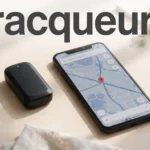


A tracqueur is a tracker — a device or system that follows the location, movement or activity of something and reports it back to you. It might be a tag on your keys, a GPS unit in a van, or a fitness band. Different tools, one job: to keep watching over time.
This article explains what the word means, how a tracqueur works, the main types, what they cost, the law, and how to pick the right one.
What Does Tracqueur Mean?
A tracqueur is any device or system built to track, monitor or record where something is and how it moves. That covers a Bluetooth tag on a wallet, a GPS tracker in a car, and a script that records which pages a visitor clicks. The word is broad on purpose — it describes the job, not one single product.
Tracker, in French Flavour
The word has a French flavour. The French word is traqueur — spelled without a c — from the verb traquer, to hunt down. In French dictionaries it is a hunting term from 1798. The spelling with a c is an online blend of English tracker and that French ending. So the honest answer is that a tracqueur is a word people use online for a tracker, not a dictionary entry in French or in English.
A real company shares the name: Traqueur SA, founded in France in 1997, builds vehicle-recovery systems that find stolen vehicles. That is a company name, not the generic term.
More Than a Map
What makes a tracqueur different from a map is that it keeps watching over time. A map shows you a place once. A tracking system shows live location, a history of movements, and alerts when something changes — when a van leaves a set area, or a bag starts moving.
How a Tracqueur Works
Every tracqueur, whatever its size, does the same four jobs in the same order. First it finds the position, using satellites, Wi-Fi, Bluetooth or mobile signal. Then it processes what it found. Next it sends the result to the cloud — by Bluetooth, Wi-Fi, cellular or satellite. Finally it shows it to you, as a dot on a map, in a phone app or a web dashboard.
Types of Tracqueur Systems
Five main systems cover almost every use.
| Type | How it works | Best for | Range | Battery | Subscription |
|---|---|---|---|---|---|
| GPS | Satellites fix position | Vehicles, pets | Worldwide | Drains fast | Usually yes |
| Bluetooth | Nearby phones relay it | Keys, wallets, bags | Short range | Lasts months | Usually no |
| Cellular | Mobile network carries data | Fleets, deliveries | Where signal reaches | Drains fast | Usually yes |
| Wi-Fi | Wi-Fi networks fix position | Indoor items | Wi-Fi coverage | Moderate | Often no |
| Wearable | Sensors and GPS on body | Fitness, safety | Anywhere | Days | Sometimes |
Pick by range first, accuracy second. A tag that only works nearby is useless for a van, and a GPS unit is overkill for a set of keys.
Common Uses of a Tracqueur
Everyday life is where most people meet these devices. A tag on keys or a wallet saves the morning search. A tag in luggage tells you whether your bag made the flight. A pet tracker with a virtual fence warns you when your dog leaves the garden. Some share live location with family, and fitness bands track runs and sleep.
Businesses use the same idea at a bigger scale. Delivery firms watch vans and parcels in real time. Fleet managers see where every vehicle is and plan routes around it. Builders track expensive tools. The job is always the same: know where things are, without guessing.
Benefits of Using a Tracqueur
The main benefit of a tracqueur is simple: you stop guessing where your things are. Lost keys turn into a two-minute search on your phone. A stolen van can be found instead of written off.
For businesses, the benefit is the same idea at a bigger scale. Vans, tools and deliveries all show up on one screen, so lost hours and lost equipment drop. Routes get shorter.
Costs, Battery and Subscriptions
Look at the total cost, not just the price tag. Many GPS and cellular systems also charge a monthly fee for the mobile connection, while Bluetooth tags usually need no subscription at all. Before you buy, add up the device price and a full year of fees.
Battery life follows the same split. Bluetooth tags sip power and often last for months. GPS and cellular units use far more, because they must fix their position and transmit it again and again. Update rate, signal and temperature all change the result, so treat any battery claim as a rough guide, not a promise.
Privacy and the Law
Track Your Own Things
The safe baseline is to track your own things. A tag on your own keys, your own car or your own luggage is your business, and nobody else’s privacy is involved.
Tracking another person is different: it needs their clear consent. Without it, you risk crossing a line that has real legal consequences.
UK Rules in Plain Words
In the UK, tracking someone without their consent may amount to harassment or stalking under the Protection from Harassment Act 1997. What matters is the behaviour, not the size of the device.
The digital side has its own rules. A web tracqueur uses cookies, local storage and device fingerprinting to record browsing behaviour, and in the EU that tracking is heavily regulated under the General Data Protection Regulation (GDPR).
Phones now help too. Apple and Google support cross-platform alerts, so your phone can warn you if an unfamiliar Bluetooth tracker seems to be moving with you. If you get that warning, follow the on-screen steps to find and disable it.
How to Choose the Right Tracqueur
Start with three questions: what are you tracking, where does it move, and how often do you need an update? Keys that stay home need a different answer from a van that crosses the country.
| Need | Best fit |
|---|---|
| Keys or wallet | Bluetooth tag |
| Luggage | Bluetooth tag or GPS |
| Vehicle | GPS tracker |
| Business fleet | Cellular GPS system |
| Pets | GPS pet tracker |
| Fitness and health | Wearable |
Before you buy, check four things: the total cost for a year, the battery, whether the app works on your phone, and the privacy policy.
Troubleshooting Common Problems
Most problems with a tracqueur have simple causes. If the location looks wrong, check when it was last updated — a stale reading is the most common surprise. GPS is weak indoors and underground, so a device in a basement car park may show an old fix. Bluetooth only works nearby, so a tag will not update until a phone passes close. Metal can block the signal, and a flat battery or lapsed subscription stops updates.
Frequently Asked Questions
What does tracqueur mean?
A tracker: a device or system that monitors the location, movement or activity of an object, vehicle, person, animal or digital asset.
Is a tracqueur the same as a GPS tracker?
No. GPS is only one type of tracking — the wider term also covers Bluetooth, Wi-Fi, cellular, RFID and wearable tracking.
Can a tracqueur work without GPS?
Yes. Many rely on Bluetooth, Wi-Fi, RFID or mobile networks instead — which also helps indoors, where GPS is weak.
Do all tracqueur devices need a subscription?
Not all. Bluetooth trackers usually do not, while many GPS and cellular systems charge a monthly fee for the mobile connection.
Is it legal to use a tracqueur?
It depends on consent and what you track. Tracking your own things is fine; tracking another person without clear consent can be illegal — in the UK it may amount to harassment or stalking under the Protection from Harassment Act 1997.
How do I know if a tracqueur is following me?
Modern phones can help. iPhone and Android can detect an unfamiliar Bluetooth tracker moving with you and show an alert with steps to find and disable it.
Conclusion
A tracker is only as good as its match to the job. Pick the type whose range fits the job, count the full cost for a year, and respect the consent rule. Do that, and your keys, your van, your pet or your parcel is simply where you expect it to be.
Related Reading: Duaction: Dual Action, Meaning and How It Works in Learning





One comment on “Tracqueur: Meaning, Types and How Tracking Really Works”